State's Attorney Dashboard
Welcome to the Baltimore City State’s Attorney’s Office Data Dashboard.
Our office works for the people of Baltimore, and with that responsibility comes an obligation to be transparent about the work we do and accountable for the results we deliver. The public deserves access to meaningful information about how our criminal justice system operates and how our office is performing.
This dashboard provides a quantitative look at the many facets of our work, from cases and prosecutions to outcomes and other key measures that help tell the story of public safety and accountability in Baltimore City. By making this information accessible to everyone, we hope to provide greater insight into our work, identify trends, measure our progress, and give residents the tools to better understand the role of the State’s Attorney’s Office in our justice system.
Data alone cannot tell the entire story of our work or the people and communities impacted by it. But sharing this information openly is an important part of earning and maintaining the public’s trust. Transparency is not simply a goal of this administration; it is a responsibility. I invite you to explore this dashboard, learn more about our work, and hold us accountable as we continue our mission to deliver justice and make Baltimore a safer city for all.
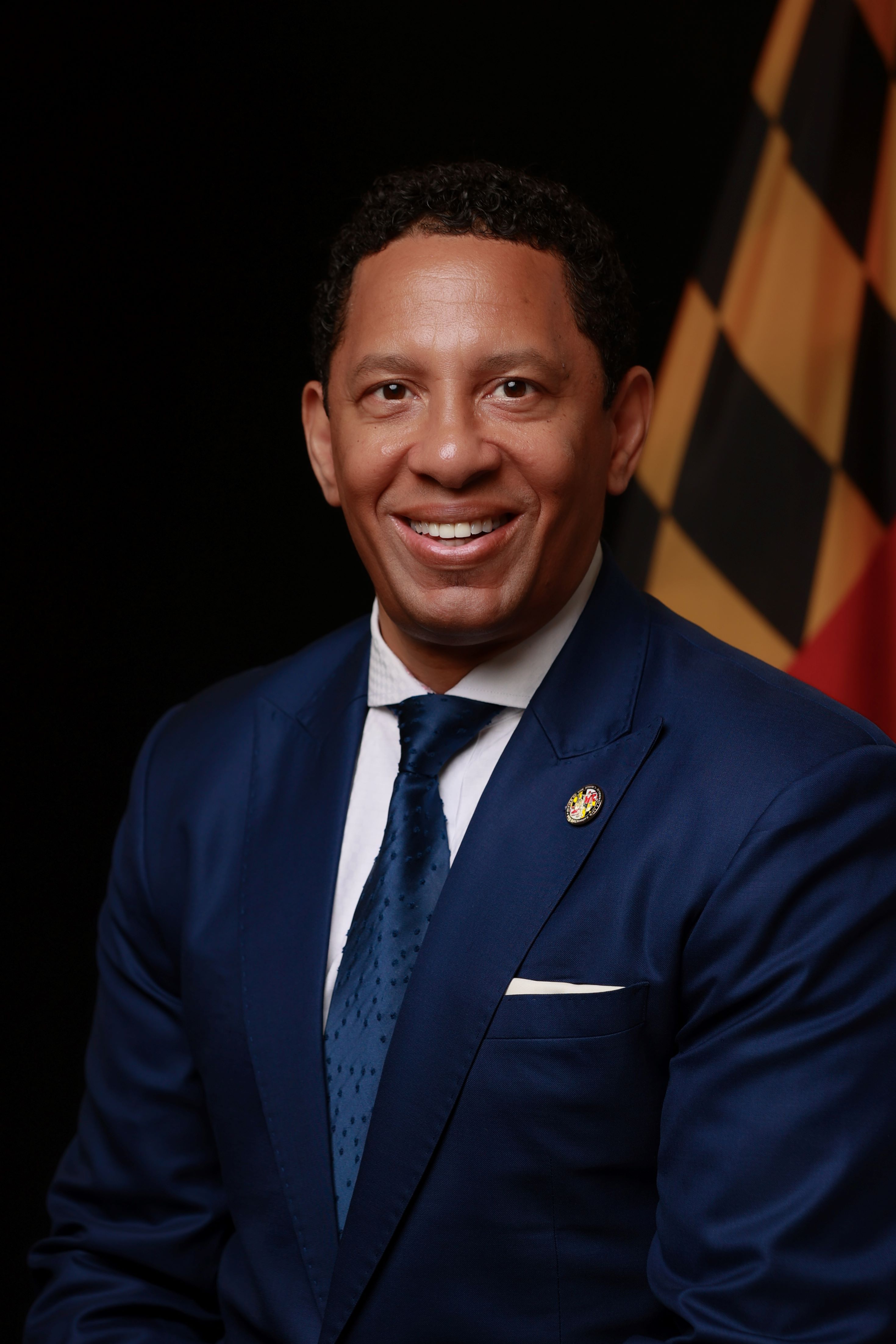
Ivan J. Bates
State's Attorney for Baltimore City
Key Dashboard Takeaways
Reducing the Nolle Prosequi Rate
Nolle Prosequi, or dropping a case, is an important indicator of both the quality of the investigations being brought to the State’s Attorney’s Office and the support provided to victims and witnesses who have the burden of testifying in court. This rate has steadily decreased under State’s Attorney Bates’ leadership. We will work to continue to reduce this number and secure justice for more victims and their families.Explore Percent of Cases Nolle Pros'd →Recovering from the COVID Shutdowns
The Pandemic impacted the criminal justice system in myriad ways. Shortly after the courts shut down, the time to close cases increased for both felonies and misdemeanors. While these numbers have stabilized, we will continue to advocate for resources to maintain our level of efficiency.Explore Time to Disposition →People Behind the Data
All of this data is interesting, but truly it is the people behind the data that are the most important. The numbers on violent crime represent people who have been victimized. The numbers on our caseloads represent the time and attention everyone at the SAO is capable of devoting to you and your family.
Key Dates in Baltimore City's Criminal Justice System
When exploring the Baltimore City State's Attorney Dashboard, there are important law and policy changes and events to account for. When interpreting this dashboard, consider whether these changes could explain a sudden change in the data.
COVID-19 Court Closures
Courts are closed to the public due to the COVID-19 pandemic, with reduced staffing in courthouses and the inclusion of only authorized essential court staff to process emergency court matters.
End of COVID-19 Court Closures
The Maryland Judiciary returns to normal operations following the five-phased COVID-19 resumption of operations plan.
State’s Attorney Ivan J. Bates is sworn in to office.
On January 3, 2023 Ivan Bate's was sworn in as the 26th State's Attorney for Baltimore City.
Citation Docket Created
The Citation Docket Program is launched and Baltimore Police and local law enforcement begin writing citations for quality-of-life offenses.
Older & Disabled Persons Unit Created
The State’s Attorney’s Office creates the Older & Disabled Persons Unit embedded with the Economic Crimes Unit.
Cold Case Homicide Unit Created
The State’s Attorney’s Office creates a Cold Case Homicide Unit to investigate and prosecute unsolved murders in Baltimore City.
This dashboard was created through the collaboration of the Baltimore City State's Attorney's Office and the Prosecutorial Performance Indicators. The goal of the dashboard is to ensure that the general public has access to data about the review and prosecution of criminal cases in Baltimore City. This project has been supported by the John D. and Catherine T. MacArthur Foundation and the Microsoft Justice Reform Initiative.